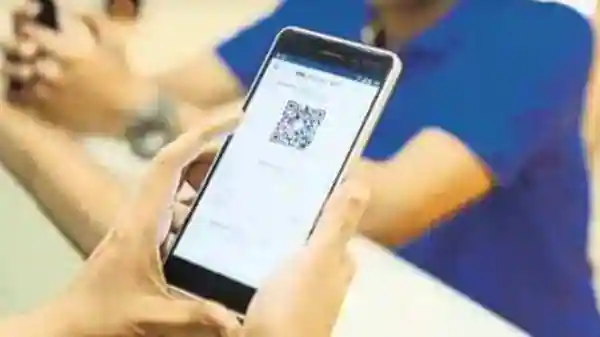
Payment by scanning a quick response (QR) code is relatively new in the country. A few years back, wallet companies had introduced it. Thanks to UPI (unified payment interface), it’s now common. But you need to be careful when using it as scammers are now targeting gullible users to defraud them.
Scammers targeting sellers on online classified is more common. Suppose you are a seller and want to sell an old piece of furniture online. You put a classified ad. Fraudsters will call and show you interest. After deciding on the price, they will transfer a token amount under the pretext of testing whether your address is correct. This way, they win your trust.
Then, they send a QR code to the seller. They ask the seller to scan it to receive the rest of the payment. But it’s a ploy. If the seller proceeds with it, he will end up sending the money to the scammer instead of receiving the money.
QR code can be misused in different ways. For example, scammers can replace QR codes at merchant outlet with theirs. When customers scan the code, they will end up making payment to the fraudsters instead of the merchant.
The problem is that humans can’t read QR code. That’s why it’s essential to read the name of the receiver when making a payment.
Also, you don’t need a QR code to receive payment. If someone asks you to do so, it’s definitely a fraud.
Fraudsters also use social engineering. They may try different ways to win your trust or could be in a hurry to complete the transaction. Watch out for these two things.
A QR code payment transaction involves some steps, and it is important to notice the smallest details. Don’t proceed with a transaction if you suspect anything is out of place. Use QR code only with merchants you trust and people you are familiar with.
(Do you have personal finance queries? Send them to mintmoney@livemint.com and get them answered by industry experts)
Never miss a story! Stay connected and informed with Mint.
Download
our App Now!!