MUMBAI: In a historic judgement, the Supreme Court of India in September 2018 struck down portions of Section 377 of the Indian Penal Code which termed sex between two consenting same-sex individuals an “unnatural offence”. But queer Indians remain behind their heterosexual peers when it comes to financial rights.
On a host of issues such as opening of joint bank accounts, insurance coverage, and home loan eligibility, LGBTQIA+ Indians are placed at a disadvantage. Corporates have started to recognise and celebrate their queer employees and customers in marketing communications but verifiable action on the ground remains rare and sometimes stumbles on execution.
Axis Bank, one of India’s largest private banks, has gone ahead than most of its peers when it comes to queer rights. It hired a well established queer activist, Harish Iyer as head of diversity and inclusion. On 6 September 2021, the anniversary of the Johar case, the bank released a ‘Charter of Policies and Practices for employees and customers from the LGBTQIA+’ community. Among other things, the charter said customers will be able to open savings accounts and fixed deposits with their same sex partners.
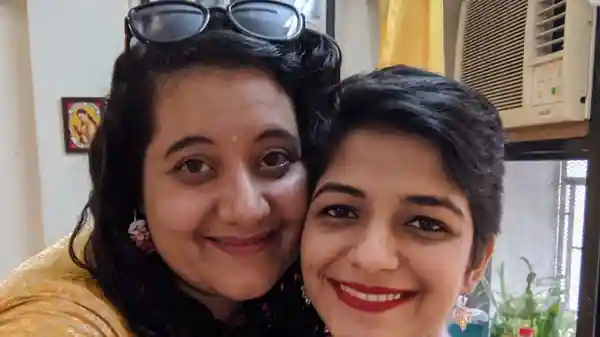
Anisha Sharma, 33, and Bhakti Chachada, 29, both residents of Mumbai have been in a relationship for the past six years. After hearing of the press release, they walked into an Andheri West branch of Axis Bank on Friday, 29 October. Employees at the branch refused to open the account even after being shown the press release for the new charter. On Sunday, 31 October, Sharma put out a tweet calling out the bank on its lack of adherence to stated policy. The tweet went viral and Axis Bank scrambled to respond, with a bevy of senior officials contacting the couple. The bank finally opened the savings account.
According to one senior financial services professional who declined to be named, Reserve Bank of India rules on this issue are ambiguous and banks interpret them differently. Several banks allow friends or even strangers to open accounts together without the need for any blood or marital relationship. This makes the question of same-sex status moot. The challenges that same sex couples in India face go beyond opening joint accounts in banks.
Insurance companies do not allow same sex couples to be covered under ‘family floater’ policies that apply to hetroxsexual families. Same sex partners also cannot be nominees in each other’s life insurance policies because of the legal concept of insurable interest – the legal interest that a dependent spouse has in the earnings of the bread winner. Although Indian law allows same sex couples to make each other beneficiaries in their wills, just as friends or even strangers can be beneficiaries, these privileges do not extend to ‘intestate succession’ – the inheritance laws that apply when a person dies without a Will. At this point ‘personal laws’ based on the religion of the deceased come into play and these do not recognise same sex couples.
The root of the matter is the state’s failure to recognize same-sex marriage or unions in India. A case filed in the Delhi High Court has been listed for a final hearing on 30 November 2021. Some of the petitioners in the case have also raised the issue of citizenship, arguing that same-sex marriage conducted under the laws of foreign nations should be recognised by India under its Foreign Marriage Act and that the same-sex spouse of an Overseas Citizen of India (OCI) should also be entitled to an OCI card.
For the Sharma and Chachada, a joint account would save them the hassle of separately accounting for and dividing their household expenses. It is also a test of the broader financial system. “A savings bank account is basic. If this was such a struggle, imagine how other financial issues will be and how tough things will be for people less privileged than us,” said Chachada. Even as companies change policies on paper, broader societal awareness poses another challenge.
“Our employees come from the same world that we all inhabit. This episode is a grim reminder of the fact that despite trainings and processes, cultural change does take time and effort. We had the opportunity to meet our new customers, Anisha and Bhakti, and have apologised to them personally. At Axis Bank, we are determined to be a true participant committed to drive inclusion and such collaborative participations will help us work together to contribute to an inclusive society,” said Harish Iyer- Head -Diversity, Equity and Inclusion, Axis Bank.
Never miss a story! Stay connected and informed with Mint.
Download
our App Now!!