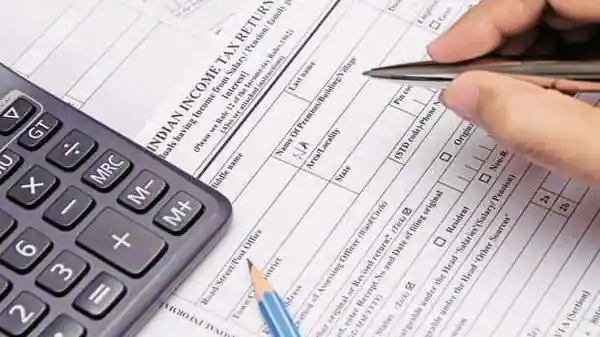
Many look at tax-saving as a chore. They just randomly invest in tax-saving instruments towards the end of the financial year, in February or March.
Some may even borrow to buy or invest in tax-saving instruments as they don’t have enough spare funds. After all, if someone in the highest tax bracket exhausts the entire Rs1.5 lakh limit available under Section 80C, he can save up to Rs46,000 in taxes.
Also Read | Australia’s prime time battle against big tech
Saving such a high amount in taxes may look attractive. But it’s not feasible if you look at the implications. There is a cost attached to borrowing. Even if you take a loan from a relative or friend where you are not paying any interest, there are other repercussions.
Your employer deducts tax every month from your salary. If you plan tax-saving at the last minute, you would need to claim a refund for the extra taxes paid. Refunds take time. You would also have other monthly commitments. If you borrow, those will suffer.
The bigger problem is that borrowing can lead you into a debt trap. When you borrow, it means you are unable to pay for the expense from your pocket. The equated monthly instalments (EMIs) of a loan will further put pressure on your income. You may need to borrow more to meet some other obligations, leading you into a debt trap.
Borrowing to invest in ordinary circumstances is not a good idea. The same risks apply even if you plan to borrow to invest in tax-saving products, despite the tax benefit. You need to have a great deal of financial discipline to repay the loan, which will not be easy for someone who was not disciplined enough to start with and didn’t save regularly.
Tax saving needs to be a part of your overall financial plan, and you need to start early. Planning your tax investments in advance has other advantages. For example, you should invest in Public Provident Fund (PPF) before the fifth of each month to get interest payment for that month. In the case of ELSS, investing through a systematic investment plan (SIP) will work in your favour as it will average out your purchase price.
It’s better that you don’t save tax this year if you have to borrow. Plan better from April for the next financial year.






